Social Movements That Shaped Women Empowerment
Introduction: When Women Rise, the World Changes
“Behind every right women exercise today lies a movement—a collective cry for justice that turned whispers into roars.”
Women empowerment is not a gift handed down from the powerful—it is a victory wrestled through generations of courage, persistence, and activism. Across history, countless women and their allies stood against systemic oppression, demanding change in societies that silenced them. These women empowerment movements remind us that empowerment is never given; it is claimed through relentless activism and solidarity.
The social impact of these struggles is undeniable. From casting the first ballot to leading corporations and legislatures, women have reshaped what power and possibility look like. Each march, each speech, and each act of defiance created ripples that redefined cultural, political, and economic landscapes.
For Gen Z, these lessons are especially relevant. This digital-first generation thrives on activism, social awareness, and courage. Gen Z sees women empowerment movements not just as history but as a responsibility for the future.
This blog explores some of the most influential social movements that shaped women empowerment movements . From the fight for suffrage to the digital storm of #MeToo, these stories reveal a legacy of courage and change. Their activism continues to inspire students, Gen Z activists, and leaders who believe in gender equality. And their social impact still echoes in today’s laws, workplaces, and homes.
This blog explores some of the most influential social movements that shaped women empowerment. From the fight for suffrage to the digital storm of #MeToo, these stories reveal a legacy of courage and change. Their activism continues to inspire students, Gen Z activists, and leaders who believe in gender equality. And their social impact still echoes in today’s laws, workplaces, and homes.
The Suffrage Movement: Winning the Right to Be Heard
From Silence to the Ballot Box
The struggle for women’s suffrage was one of the most defining battles in the history of women empowerment movements. For centuries, women were excluded from the political process, denied the most basic right to vote. The suffrage movement transformed that silence into a demand for equality.
In the United States, pioneers like Susan B. Anthony and Elizabeth Cady Stanton tirelessly campaigned for voting rights. Their activism culminated in the ratification of the 19th Amendment in 1920, granting American women the right to vote. Across the Atlantic, Emmeline Pankhurst and the suffragettes in the United Kingdom made headlines with their militant strategies—marches, hunger strikes, and even chaining themselves to railings. Their resilience led to the Representation of the People Act 1918, which enfranchised millions of British women.
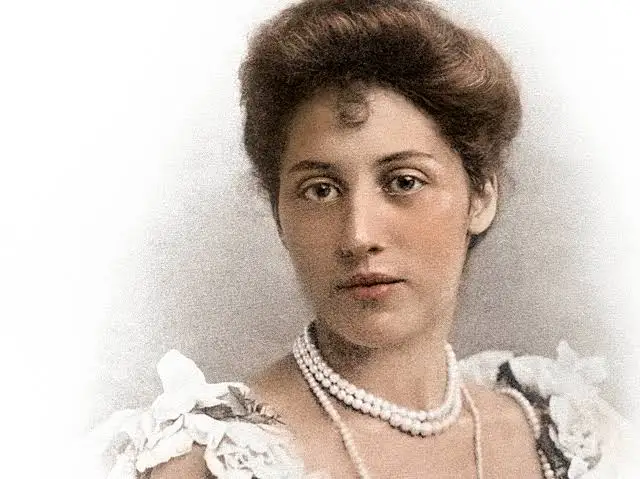
India, too, saw champions like Sophia Duleep Singh, who defied colonial expectations and became a powerful symbol of resistance. Inspired by global movements, women in many countries followed suit, demanding their voices be heard at the ballot box.
The suffrage movement was more than a fight for a piece of paper—it was a declaration that women were equal citizens capable of shaping national destinies.
For Gen Z readers, the suffragettes’ courage is a reminder that rights are never permanent unless defended. As Gen Z steps into leadership roles, their activism in politics, environment, and gender rights echoes the same fearless spirit.
The Feminist Waves: Evolving Agendas
First to Fourth Wave: Expanding the Fight
The story of feminism is often described as a series of “waves,” each addressing the evolving needs and struggles of women across time. Together, these waves created a layered legacy that continues to influence women empowerment today. These waves are among the most impactful women empowerment movements in global history
- First Wave (late 1800s–early 1900s): Focused on suffrage and property rights, this wave built the legal foundation for future reforms.
- Second Wave (1960s–1980s): Popularized by “the personal is political,” this wave targeted workplace equality, reproductive rights, and systemic sexism.
- Third Wave (1990s–2000s): Introduced intersectionality, inclusion, and the recognition of diverse voices.
- Fourth Wave (2010s–present): Powered by digital activism, movements like #MeToo and #TimesUp amplified voices globally.
For Gen Z, the fourth wave is personal. Digital natives, they have transformed hashtags into global protests, turning Instagram stories, Twitter threads, and Instagram videos into weapons of change. Gen Z activists carry forward the feminist legacy with inclusivity, diversity, and speed unmatched in history.
Reproductive Rights Movement: My Body, My Choice
Claiming Ownership Over Health and Choices
Control over one’s body is central to empowerment. The reproductive rights movement stands among the most defining women empowerment movements, ensuring that women have the right to decide if, when, and how to have children. It is a struggle rooted in autonomy, equality, and dignity.
In the United States, Roe v. Wade (1973) became a landmark decision affirming reproductive freedom. Globally, Ireland repealed strict abortion bans in 2018, and Argentina legalized abortion in 2020 after years of relentless activism. Poland, however, continues to witness fierce protests as women demand control over their own choices.
For Gen Z, reproductive rights are not just a debate—they are a call to action. This digital generation sees bodily autonomy as non-negotiable. Through social media, Gen Z activists amplify awareness, organize campaigns, and spread health education. They understand that without reproductive freedom, women empowerment movements remain incomplete and equality unfinished.
The #MeToo Movement: Breaking the Culture of Silence
From Hashtag to Global Reckoning
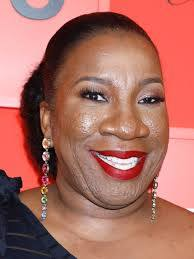
Coined by Tarana Burke and propelled into global consciousness in 2017, #MeToo became a defining moment in modern history and one of the most powerful women empowerment movements of our time. Survivors of harassment and abuse around the world exposed influential figures and demanded justice, accountability, and respect.
For Gen Z, #MeToo was both a wake-up call and a toolkit for activism. They witnessed how a single hashtag could ignite a worldwide revolution, giving millions the courage to speak their truth. Gen Z women and men together joined conversations about consent, power, and dignity—pushing schools, workplaces, and governments to create safer environments.
Gen Z’s digital fluency made them key amplifiers of this movement. Their collective courage ensured that #MeToo was not a fleeting trend but a lasting shift that reshaped the global narrative of equality and women empowerment movements.
Economic Justice Movements: Closing the Gap
From Equal Pay to Financial Independence
Economic independence is the foundation of true empowerment. Without control over one’s earnings, freedom remains incomplete. The fight for equal pay and workplace rights became one of the most significant women empowerment movements worldwide.

In the United States, the Equal Pay Act of 1963 sought to eliminate wage discrimination. In India, grassroots initiatives like SEWA (Self-Employed Women’s Association) empowered women in informal sectors, ensuring fair wages and financial dignity. Across nations, women continue to challenge pay gaps, unpaid labour, and economic inequality.
For Gen Z, financial freedom is not just a goal—it’s a form of resistance. Through start-ups, digital entrepreneurship, and social awareness, Gen Z women are redefining what financial justice means in the modern world. Their empowerment lies in earning, saving, investing, and inspiring others to do the same.
Lessons for Tomorrow’s Activists
What These Movements Teach Us
History teaches that:
- Inclusivity Matters: Gen Z champions intersectionality, ensuring women of colour, trans women, and marginalized groups are included.
- Digital Tools Are Powerful: Gen Z already uses tech to drive activism, making global connections that previous generations could only dream of.
- Sustainable Activism: Gen Z emphasizes mental health and self-care to prevent burnout, keeping movements alive longer.
These lessons prove that the torch of women empowerment now rests in Gen Z’s hands. Their activism is redefining feminism for a new era.
Conclusion: The Unfinished Revolution
The history of women empowerment movements is not just a timeline — it is a story of courage, resilience, and constant evolution. From the fight for suffrage to the rise of #MeToo, every movement broke a barrier and opened a new door. Each protest, speech, and reform was a reminder that empowerment is not granted; it is earned through persistence and unity.
These women empowerment movements changed societies, shaped policies, and redefined leadership. They proved that women can lead, inspire, and transform nations. Yet, the revolution is far from complete. Gender inequality, pay gaps, and representation challenges still exist across countries and industries. The movement must continue — stronger and more inclusive than before.

For Gen Z, this unfinished revolution carries a clear message: the responsibility now lies with them. This digital-first generation has the voice, vision, and platforms to continue what earlier activists began. From climate action to workplace equality, Gen Z’s activism reflects a new wave of empowerment rooted in awareness and technology.
Every time a young woman casts her vote, leads a startup, or speaks against injustice, she continues this legacy. The torch of progress is now in Gen Z’s hands. Their courage, inclusivity, and innovation will shape the next phase of global women empowerment movements — turning the unfinished revolution into a future of true equality.
Leave a Reply