Tag: #HealingIsPower #MindMatters #EmpowerHer #FeministWellness #InnerStrength

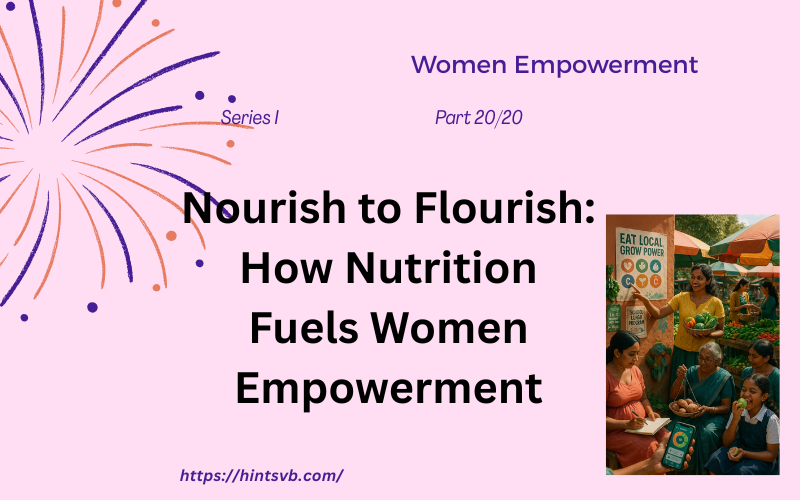
  • Women Empowerment Series I          Part 20/20

    Women Empowerment Series I      Part 20/20

    Health & Well-being

    Nourish to Flourish: How Nutrition Fuels Women Empowerment

     Introduction

    “A woman who is nourished is unstoppable. Yet, millions of women worldwide skip meals, sacrifice nutrition for their families, or lack access to balanced diets—undermining their potential.”

    women empowerment

    In a world where women are expected to do it all, many neglect one fundamental element of personal power: nutrition. Whether it’s mothers serving food to everyone before themselves or young girls growing up in households with limited access to healthy meals, the impact of poor nutrition on women’s lives is massive yet invisible.

    Proper nutrition is not just about health; it’s a cornerstone of women’s empowerment. It powers energy, mental clarity, emotional balance, and physical strength—tools every woman needs to rise, lead, and thrive. Nutrition is not an accessory to empowerment; it is the foundation.

    Women empowerment begins when health & well-being are prioritized—starting with what’s on the plate.

    A well-nourished woman is a force of change in her family, workplace, and community.

     The Link Between Nutrition & Women’s Empowerment

    “Why Malnutrition is a Silent Barrier to Equality”

    Nutrition influences a woman’s life in profound ways—starting with the physical toll of deficiencies.

    • Iron Deficiency: A leading cause of fatigue and decreased work productivity. According to WHO, 40% of women globally are anemic.
    • Calcium and Vitamin D Deficiencies: Long-term gaps can lead to osteoporosis, increasing the risk of fractures and mobility issues later in life.

    Beyond physical symptoms, the mental impact is equally damaging:

    • Blood Sugar Imbalances: Linked to anxiety and mood swings, these affect emotional well-being and decision-making.
    • Gut Health and Mental Health: Nearly 90% of serotonin—the “happy hormone”—is produced in the gut. Poor nutrition can disrupt this balance, leading to depression and emotional fatigue.

    Nutritional gaps don’t just weaken bodies—they dim potential.

    When women are physically and mentally depleted, they can’t fully participate in education, work, or community leadership. Addressing nutritional health becomes essential not just for personal wellness, but for collective progress.

    Societal & Cultural Barriers

    “Last to Eat, First to Work: How Gender Roles Affect Nutrition”

    Across cultures, women are often conditioned to eat last, after ensuring everyone else is served. In South Asia, 60% of women eat after male family members (UN Women). This practice, though normalized, contributes to “hidden hunger,” especially during pregnancy and lactation.

    “Hidden hunger” refers to micronutrient deficiencies that occur even when calorie needs are met. It silently impacts maternal and child health, increasing rates of stunting and weakened immunity.

    Economic challenges also play a major role:

    • Cheap Processed Foods: Due to poverty, women often rely on calorie-dense but nutrient-poor diets.
    • Food Deserts: Urban slums or remote areas lack access to affordable fresh produce.

    Case Study: In Nigeria, a working mother battling chronic fatigue due to poor diet found relief through a women-run local cooperative that educated and supported better food choices. Within months, her health improved, and her productivity doubled.

    Empowering women nutritionally also requires dismantling societal roles that undervalue their own health.

    Nutrition as a Tool for Empowerment

    “From Survival to Thriving: Key Nutrients for Women”

    Women have unique nutritional needs. Meeting them enables strength, clarity, and resilience:

    • Iron-Rich Foods: Spinach, lentils, and beets support energy. Pairing with Vitamin C-rich foods (like lemon or amla) improves absorption.
    • Protein Power: Eggs, paneer, legumes, and quinoa help build muscle and repair tissues.
    • Brain Boosters: Omega-3s from flaxseeds, chia seeds, and walnuts enhance cognitive function and reduce inflammation.

    Real Stories of Change”

    women empowerment

    In India, the introduction of nutritious midday meals in schools through Anganwadi centers brought a remarkable transformation. Girls’ attendance surged by 30%, as families were more willing to send their daughters to school knowing they’d receive both education and nourishment. This simple initiative empowered young girls with better health and learning opportunities.
    In Brazil, the Bolsa Família program—a government cash transfer scheme linked to nutrition education—proved equally powerful. It not only reduced child mortality but also improved women’s health and financial independence, empowering entire families through better nutrition.

    Policy-Level Solutions


    Fortified foods are helping millions stay healthy. In Pakistan, iodized salt fights iodine deficiency. In India, iron-fortified wheat helps prevent anemia. In Sub-Saharan Africa, vitamin A-enriched cooking oil supports better vision and immunity. These small changes in everyday food make a big difference in public health.

    Workplace nutrition is improving too. Companies like Google promote healthy eating at work. Their “Healthy Plate” policy offers balanced meals in cafeterias. This keeps employees fit and focused. Good nutrition at work boosts energy, health, and overall productivity. Simple policies can create lasting change.

    When women’s health & well-being are invested in, societies rise.

    Practical Steps for Daily Nutrition

    “Your Plate, Your Power: Actionable Tips”

    women empowerment

    Empowerment doesn’t need big changes—it starts with what you eat every day. Even simple, home-style meals can become powerful tools for health when chosen mindfully.

    • Budget-Friendly Swaps:

    Skip expensive protein powders and go for sprouted lentils—they’re rich in protein, easy to digest, and perfect for Indian meals like dal or salads. Instead of buying pricey imported snacks, choose seasonal, local fruits which are fresher, cheaper, and full of nutrients.

    • Meal-Prep Hacks:

    Begin your mornings with “Golden Milk” (haldi + almond milk or regular milk). It helps reduce inflammation and boosts immunity. Add chia seeds to plain curd for a quick omega-3 and fiber boost—great for gut health.

    • Eat Natural, Simple Meals:

    A simple plate of dal, rice, sabzi, and roti can meet daily needs when balanced right. Add a raw salad and a fruit for extra vitamins. Avoid ultra-processed foods.

    • Advocacy & Support:

    women empowerment

    Ask for lactation rooms and healthy canteen meals at work. Support local women farmers and buy fresh, organic produce when possible.

    Infographic Idea – The Empowerment Food Pyramid:

    • Base: Leafy greens and legumes
    • Middle: Whole grains, eggs, and dairy
    • Top: Sweets and fried snacks (in moderation)

    Your plate is power. Eat smart. Live strong.

    Conclusion

    Nutrition is the invisible scaffold of women’s empowerment. It builds strength, fuels energy, and sharpens focus. A well-nourished woman is more than just healthy—she is confident, ambitious, and unstoppable.

    From classrooms to boardrooms, kitchens to communities, the impact of good nutrition is far-reaching. When a woman thrives, her family, society, and future generations thrive with her.

    Yet too often, a woman’s nutritional needs are overlooked. Her meals come last, and her health comes second. This must change.

    Let’s rewrite the narrative. Let’s stop treating women’s nutrition as an after thought.
    Honor her body. Support her strength. Fuel her dreams.

    Because empowered women don’t just rise—they uplift the world around them. It starts with what’s on her plate.

    Share this with a woman who juggles everyone’s needs but her own.

    Tag organizations fighting malnutrition in the comments!

    A nourished woman doesn’t just feed herself—she feeds the future.

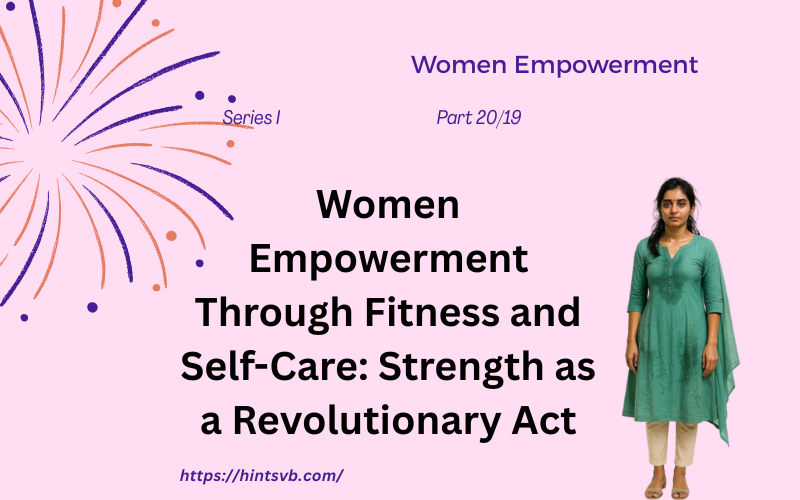
  • Women Empowerment Series I      Part 20/19

    Women Empowerment Series I      Part 20/19

    Health & Well-being

    Women Empowerment Through Fitness and Self-Care: Strength as a Revolutionary Act

    Introduction

    “When a woman prioritizes her strength—both physical and mental—she doesn’t just change her body. She rewrites her story.”

    For centuries, society has taught women to place their needs last, to serve tirelessly, and to see self-care as indulgence rather than necessity. But this mindset is shifting—and for good reason. Fitness and self-care are not luxuries; they are revolutionary acts of empowerment that transform not only how we feel, but how we live.

    "When a woman prioritizes her strength—both physical and mental—she doesn’t just change her body. She rewrites her story and strength the idea of women empowerment."
    Empowerment through strength—holding steady in Plank Pose.

    When a woman takes control of her health, she takes control of her destiny. She becomes more than just her roles—mother, partner, employee—she becomes the author of her own narrative. This is not about fitting into a size or chasing trends. It’s about reclaiming your health as a non-negotiable right, building resilience that fuels leadership, and fostering unshakable self-worth.

    Women empowerment begins when we reclaim our health as a non-negotiable right. Wellness is not a side note—it’s the foundation of strength, clarity, and confidence. When we commit to our physical and mental well-being, we’re not only investing in ourselves; we’re investing in the generations that follow.

    The truth is simple: Well-being is the foundation of resilience, leadership, and unshakable self-worth. It’s time to shift the conversation from self-care as a luxury to self-care as a form of activism.

    The Science of Strength

    How Fitness Rewires Your Brain for Power

    Fitness is more than muscle—it’s mental reprogramming. Regular exercise boosts serotonin (mood regulation), dopamine (motivation and focus), and BDNF (Brain-Derived Neurotrophic Factor, which improves learning and memory). This trifecta not only elevates your mood but also sharpens decision-making and resilience—qualities essential for leadership and empowerment.

    A Harvard study found that women who engage in strength training report 23% higher confidence during workplace negotiations compared to those who do not exercise regularly. This isn’t coincidence—physical strength translates into mental fortitude.

    Case Study:

    Take the example of Priya, a mother of three who battled postpartum depression for years. Traditional therapy helped, but it was weightlifting that gave her back her sense of control. Within months, her energy returned, her mood stabilized, and she began speaking on mental health panels—empowering others through her journey.

    The message is clear: Health & well-being isn’t selfish—it’s strategic. Every squat, every push-up, every walk is a declaration of autonomy. You are building the capacity to handle stress, stand your ground, and pursue opportunities without hesitation.

    Self-Care as Rebellion

    Why ‘Me Time’ is a Political Act

    Historically, women have been conditioned to serve first and rest last. According to UN gender care gap statistics, women globally spend an average of 4.5 hours daily on unpaid care work—more than double the time men spend.

    women empowerment

    Modern life hasn’t erased this; it’s merely disguised it. Women feel guilty for taking “me time” even when it’s as short as a 15-minute workout. But here’s the truth: Prioritizing yourself is a political act—a refusal to be worn down by the invisible labor society expects you to perform.

    Cultural traditions offer inspiring examples. Indigenous practices like yoni steaming or African dance therapy serve as both self-care and cultural preservation. They remind us that self-care is deeply rooted in community, ritual, and self-respect.

    Data Point: 70% of women skip workouts because of “lack of time,” yet spend 4+ hours weekly on unpaid care tasks. The solution? Reframe fitness from a “bonus activity” to an essential non-negotiable—like eating or sleeping.

    Fitness for Every Body

    Dismantling the ‘Perfect Body’ Myth

    The media sells us the “perfect body” narrative—slim waist, toned abs, flawless skin. But women empowerment thrives when fitness is freedom, not punishment.

    Inclusive Movement Examples:

    • Yoga for plus sizes led by body-positive instructors.
    • Seated strength training programs for women with disabilities.
    • Unedited gym selfies showing sweat, effort, and real progress (#StrongNotSmall).
    women empowerment
    Unedited gym selfies showing sweat, effort, and real progress

    Your Empowerment Workout Plan

    • For Stress Relief: Boxing to channel rage into release.
    • For Community: Running clubs or hiking groups that prioritize connection over calorie burn.
    • For Mental Health: Nature walks and forest bathing to lower cortisol levels.

    The takeaway? Fitness isn’t about shrinking your body—it’s about expanding your life.

    Self-Care Beyond Bubble Baths

    Radical Routines That Actually Work

    Forget the Instagram aesthetic of candles and bath bombs. True self-care involves practical changes that transform your well-being.

    • Financial Self-Care: Treat your gym membership as a health investment, not a luxury.
    • Digital Detox: Remove apps that trigger comparison; follow uplifting accounts instead.
    • Sleep Revolution: Practice the 4-7-8 breathing method before bed to improve hormonal balance.

    Actionable Tip: Replace “I don’t have time” with “I deserve this 20 minutes.” It reframes fitness from obligation to empowerment.

    Community & Accountability

    Find Your Tribe, Lift Each Other Up

    Empowerment thrives in community.

    • Black Girls Run addresses racial health disparities with accessible running groups.
    • The I Weigh movement by Jameela Jamil promotes body neutrality and self-worth.

    On a local level, start a “walk-and-talk” group in your neighborhood. Connection makes commitment easier.

    “Alone, you’re strong. Together, we’re unstoppable.”

    Conclusion

    Strength is not just about building muscles or lifting heavy weights—it’s a holistic journey that encompasses physical, mental, and emotional well-being. When a woman commits to her fitness, nurtures her mental health, and embraces self-care, she becomes unstoppable. Physical movement boosts endorphins, clears the mind, and builds inner resilience. Self-care isn’t selfish—it’s survival, and it’s revolutionary.

    Every time you choose to move your body, nourish your soul, hydrate, sleep, or take a mindful pause, you’re sending a powerful message to yourself and to the world: You matter. You are worthy of care, love, and strength—inside and out. Empowerment starts with one choice at a time. So, tag a woman who needs this reminder today. Share your favorite self-care ritual in the comments. And remember: when we heal ourselves, we become the force that heals families, communities, and the world.