In the wake of the devastating Pahalgam terrorist attack on April 22, 2025, which claimed 26 innocent lives, India launched Operation Sindoor—a decisive military response targeting terrorist infrastructures in Pakistan and Pakistan-occupied Kashmir (PoK). This operation marked a significant shift in India’s counter-terrorism strategy, reflecting a more assertive stance against cross-border terrorism.

The Genesis of Operation Sindoor
The Pahalgam attack was not just another incident of terrorism; it was a calculated attempt to incite communal violence by targeting individuals based on their religion. In response, the Indian Armed Forces initiated Operation Sindoor on May 7, 2025, executing precision strikes on nine terrorist camps associated with groups like Jaish-e-Mohammed and Lashkar-e-Taiba . The operation utilized advanced weaponry, including BrahMos missiles and S-400 air defense systems, showcasing India’s military prowess.
Public Sentiment: Unity and Division
Support for the Government
A significant portion of the Indian populace rallied behind the government’s actions. Opinion polls indicated that 73% of respondents believed Operation Sindoor enhanced India’s global image . The operation was seen as a necessary step to safeguard national security and deter future attacks.
Operation Sindoor and the Divided Narrative: Voices for and Against the Government

While many citizens stand firmly with the government during Operation Sindoor, others oppose it, often targeting key leaders like PM Modi, Amit Shah, and the RSS. This opposition sometimes stems from ideological differences, political rivalries, or misinformation spread on social platforms. Critics may not oppose the mission itself but use it to question leadership motives. Such narratives can weaken national unity during critical moments. Understanding these differing viewpoints is crucial to maintaining a balanced and informed democratic discourse in times of national action.
Operation Sindoor and the Crisis of Loyalty: When Opposition Crosses the Line
Chasing Popularity Over Patriotism
In the wake of Operation Sindoor, India witnessed a strong wave of national solidarity, yet a section of the population chose to oppose the government’s actions. Some critics appeared driven more by a hunger for popularity and social media validation than by facts or patriotism. Amplifying anti-government rhetoric often earns instant attention, especially when targeting figures like PM Modi, Amit Shah, or organizations like the RSS.
Unwitting Agents or Willing Collaborators?
Worryingly, some individuals may be unknowingly or deliberately furthering enemy agendas. The recent arrest of 12 individuals, including a female YouTuber from Punjab and suspects from Haryana and Uttar Pradesh, on espionage charges, highlights this threat. These individuals allegedly leaked sensitive military information or maintained suspicious contacts with Pakistani handlers.
Helping the Enemy: A Dangerous Betrayal
Whether for money, ideology, or fame, aiding the enemy is treason. Such actions not only endanger national security but also betray every citizen’s trust.
The Role of Women in Operation Sindoor
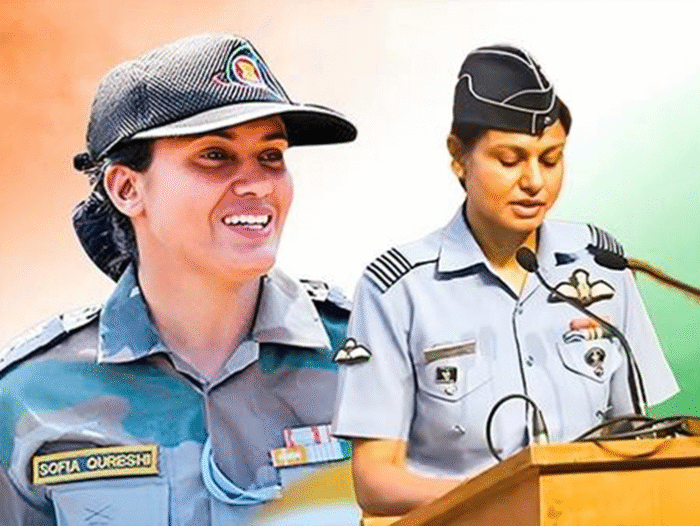
Operation Sindoor also highlighted the increasing role of women in India’s defence forces. Colonel Sophia Qureshi and Wing Commander Vyomika Singh played pivotal roles in the operation. Colonel Qureshi, the first Indian woman to lead an Army contingent at a multinational military exercise, co-led the media briefing on Operation Sindoor . Wing Commander Singh, a distinguished helicopter pilot, also stood at the forefront, symbolizing women’s empowerment in the armed forces.
Operation Sindoor: Criticism or Covert Support?
The Two-Faced Nature of Dissent
During Operation Sindoor, while most citizens stood firmly with the Indian Armed Forces, a few voices questioned the government’s intent. Criticism in a democracy is natural, but sometimes it blurs into harmful territory.
Opposition or Alert?
Every issue can be seen from two perspectives—what appears as anti-government talk might, in some cases, be genuine concern. However, some individuals exploit this ambiguity to intentionally weaken national morale or indirectly support adversaries like Pakistan.
Intent Matters
The key difference lies in intent—are they raising red flags to help improve national security or using these moments to damage the government’s image for personal, political, or ideological gain? In times of conflict, clarity and responsibility in public discourse are essential.
Operation Sindoor: Misguided Nationalism in Times of Crisis
A Confused Opposition
In the wake of Operation Sindoor, some individuals criticize the government without understanding the full picture. Their stance often stems from half-baked information, political bias, or a desire to appear “woke.” This confused narrative weakens national unity during critical times like the Pahalgam terrorist attack.
Remedy for So-Called Nationalists
Those who label themselves nationalists but act against the nation’s interests need introspection. Awareness campaigns, civic education, and stricter laws against anti-national activities can help correct this mentality. Nationalism must be rooted in truth and responsibility—not blind opposition or disguised support for enemy narratives. Constructive criticism is healthy, but it should never cross into treachery.
Operation Sindoor and the Divided Voice: Patriotism, Popularity, and Anti-National Threats
Steps for the Government

To counter internal dissent that borders on anti-nationalism, the government must strengthen legal frameworks and increase digital surveillance to trace misinformation and espionage. Intelligence-sharing between states, cyber units, and defence agencies should be more robust. National awareness campaigns must educate citizens on the difference between healthy criticism and harmful propaganda. Programs promoting women empowerment in defence roles, like those led by Colonel Sofia Qureshi and Wing Commander Vyomika Singh, can further boost trust in national efforts.
Role of the Public
Citizens must verify news before sharing and report suspicious online behaviour. Civil society and youth should be engaged in patriotic discourse through campaigns like #IndiaFightsTerroristan. Influencers and educators should foster unity by promoting facts over fear. Supporting the Indian Army, respecting sacrifices made during the Pahalgam terrorist attack, and discouraging blind political hatred are crucial. National strength lies in unity, awareness, and responsible expression—especially during operations like Operation Sindoor.
Conclusion
Operation Sindoor stands as a testament to India’s unwavering resolve against terrorism. While the nation largely united in support, internal dissent exposed challenges to national cohesion. By fostering informed patriotism, promoting responsible discourse, and empowering all citizens—including women in defence—India can remain strong in the face of adversity. In these defining moments, unity, vigilance, and truth must guide our collective journey toward peace and security. Jai Hind.
Who is YouTuber Jyoti Malhotra?
Jyoti Malhotra, a 33-year-old travel vlogger from Hisar, Haryana, rose to fame with her YouTube channel Travel with Jo, where she shared scenic journeys across India and abroad with over 3.8 lakh followers. Warm, adventurous, and relatable, she connected with young audiences who dreamed of exploring the world.
But her story took a dark turn in May 2025 when she was arrested on serious espionage charges. Authorities allege that she shared sensitive military information with Pakistan’s intelligence agency, ISI. Investigations revealed encrypted communications, suspicious travel to Pakistan, and potential leaks linked to national operations like Operation Sindoor.
Her arrest shocked many. Fans who once saw her as a travel inspiration were left questioning how someone so trusted online could be involved in such a grave national security breach. Jyoti’s case is now a chilling reminder of how even popular influencers can be manipulated—or willingly cross the line.
What is Operation Sindoor?
Operation Sindoor is India’s military response to the April 22, 2025 Pahalgam terrorist attack. Launched on May 7, 2025, it involved precision strikes on terrorist camps in Pakistan and PoK, showcasing India’s commitment to combating cross-border terrorism and protecting national security.
Who were the key leaders involved in Operation Sindoor?
Key figures in Operation Sindoor include Prime Minister Narendra Modi, Foreign Minister S. Jaishankar, NSA Ajit Doval, and Home Minister Amit Shah. Women officers like Colonel Sophia Qureshi and Wing Commander Vyomika Singh also played pivotal roles, symbolizing leadership and empowerment.
What is the punishment for spying in India?
In India, spying or espionage is punishable under the Official Secrets Act, 1923. It can lead to imprisonment ranging from 3 years to life, depending on the severity. If the act endangers national security or involves sharing secrets with enemy nations, the punishment can be extremely strict and non-bailable.
How did the public respond to Operation Sindoor?
Public sentiment was largely supportive of Operation Sindoor, with 73% backing the government’s action. While most hailed it as necessary for national security, some voices raised criticism—highlighting the importance of unity and responsible discourse during national crises.
Leave a Reply