Women Empowerment Series III (Part 2/10)
Cultural & Global Perspectives
Introduction: Why Rural Women Empowerment Matters
Empowering rural women is essential for sustainable social and economic development. In many parts of the world, rural women are the backbone of agriculture, family welfare, and community stability. Despite their significant contributions, their work often remains unrecognized and undervalued. Empowering rural women helps create stronger households, healthier communities, and more resilient rural economies.
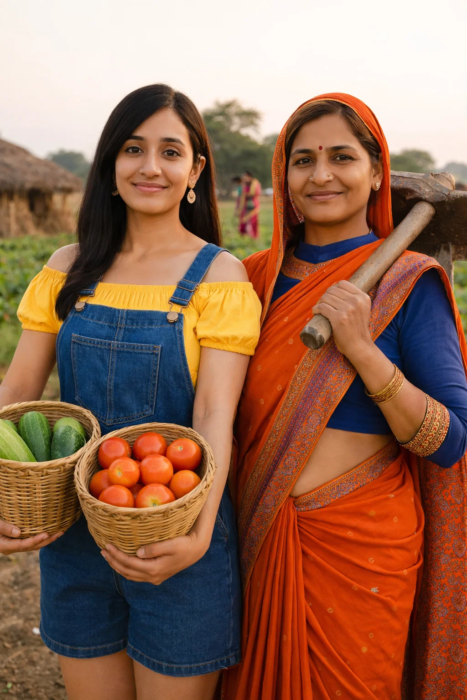
Rural women play a crucial role in farming, livestock management, food production, and household care. Their daily responsibilities extend far beyond traditional domestic roles. Yet the process of empowering rural women continues to face social, cultural, and economic barriers.
Globally, development organizations recognize that empowering rural women directly contributes to poverty reduction, improved nutrition, and sustainable agriculture. Women empowerment in rural communities aligns closely with global development goals, including gender equality and inclusive growth.
When communities invest in empowering rural women through education, economic opportunities, and leadership development, the benefits extend to future generations. Empowerment does not only improve individual lives; it transforms entire communities.
Understanding Rural Women’s Reality
To understand the importance of empowering rural women, it is necessary to look closely at their everyday reality. Rural women often manage multiple responsibilities simultaneously, including farming, childcare, household work, and community duties. Despite these contributions, their labor frequently remains invisible within formal economic systems.
Many rural economies depend heavily on women’s agricultural work, yet women often lack ownership of land or access to financial resources. Cultural traditions sometimes limit their decision-making authority within families and communities. These challenges highlight the importance of empowering rural women in ways that address both economic and social inequalities.
Women empowerment in rural communities must consider these realities. Limited infrastructure, restricted mobility, and unequal access to services often affect rural women more severely than urban populations.
By recognizing the daily experiences of rural women, policymakers and community leaders can develop more effective strategies for rural women empowerment. Understanding their challenges is the first step toward building inclusive opportunities that acknowledge their vital contributions.
Historical Perspective on Rural Women’s Roles
The journey of empowering rural women cannot be understood without examining history. Traditionally, rural societies often assigned women responsibilities related to farming, food processing, childcare, and household management. While these roles were essential for community survival, they were rarely recognized as economic contributions.
In many agricultural societies, women worked alongside men in fields, yet legal and social systems frequently denied them land ownership or financial control. These historical patterns influenced modern inequalities and continue to shape the challenges faced by rural women today.
Social expectations also defined gender roles in different ways across cultures. In some regions, women were expected to prioritize domestic duties over education or leadership opportunities. As a result, empowering rural women required gradual changes in both policy and social attitudes.
Over time, global rural women empowerment initiatives have begun addressing these historical inequalities. Recognizing the historical contributions of rural women helps societies understand why empowering rural women is not simply a modern reform but a necessary correction of long-standing imbalances.
Key Challenges Faced by Rural Women
Despite growing awareness, several challenges faced by rural women continue to hinder progress. Limited access to education remains one of the most significant barriers. Many girls in rural areas leave school early due to financial constraints or social expectations.
Restricted mobility also limits participation in education, employment, and leadership. In some communities, cultural norms discourage women from traveling independently or participating in public decision-making. These restrictions make empowering rural women more difficult.
Economic dependency is another major issue. Without access to financial resources, land ownership, or credit facilities, many women struggle to achieve economic independence. The challenges faced by rural women also include inadequate healthcare services, which affect maternal health and overall well-being.
Addressing these challenges requires coordinated efforts from governments, NGOs, and communities. Empowering rural women involves removing structural barriers while promoting equal opportunities. When societies recognize the challenges faced by rural women, they can begin creating policies that support long-term transformation.
Education as a Catalyst for Empowerment
Education for rural women plays a transformative role in social progress. Literacy improves confidence, decision-making ability, and access to economic opportunities. When societies prioritize education for rural women, entire communities benefit.
Educated women are more likely to participate in community leadership, support their children’s education, and contribute to local economic growth. Education also increases awareness about healthcare, legal rights, and financial management. These factors are essential in empowering rural women.
Skill development programs further strengthen rural women empowerment by providing practical training in agriculture, entrepreneurship, and digital literacy. Such initiatives help women move beyond subsistence work and explore new economic opportunities.
However, access to education for rural women remains uneven in many regions. Infrastructure limitations, early marriage, and financial constraints often prevent girls from continuing their studies.
Investing in education for rural women is one of the most effective strategies for empowering rural women and promoting long-term community development.
Economic Empowerment of Rural Women
Economic empowerment of rural women is a key factor in achieving gender equality. Financial independence allows women to make decisions about their families, health, and education. When rural women earn their own income, they gain greater influence within households and communities.
Microfinance programs have played a significant role in empowering rural women. Small loans enable women to start businesses, invest in agriculture, and expand local enterprises. Self-help groups are another effective model supporting rural women empowerment.
Through collective savings and financial training, these groups encourage economic empowerment of rural women while fostering social support networks. Many women have successfully launched small businesses such as handicrafts, food production, and farming cooperatives.
Economic empowerment of rural women strengthens local economies and reduces poverty. By supporting entrepreneurship and financial inclusion, communities create sustainable opportunities for growth.
Empowering rural women economically ensures that development is inclusive and beneficial for all members of society.
Role of Government and Policy Initiatives
Government policies play a crucial role in empowering rural women. Many countries have introduced rural development programs aimed at improving education, healthcare, and financial access for women.
Women-focused welfare programs provide scholarships, training opportunities, and financial assistance to support rural women empowerment. Agricultural subsidies and land ownership reforms also help empower rural women by increasing their control over resources.
Institutional support is essential for implementing these policies effectively. Local governance structures must ensure that programs reach women who need them most. Transparency and accountability are key components of successful rural women empowerment initiatives.
When governments prioritize empowering rural women through inclusive policies, they create environments where women can participate fully in economic and social life.
Community Support and Social Change
Community attitudes significantly influence the success of empowering rural women. Cultural beliefs often shape expectations regarding women’s roles in families and society.
Local leaders, teachers, and community organizations play an important role in promoting rural women empowerment. NGOs and grassroots movements help raise awareness about gender equality and encourage communities to support women’s participation in leadership.
Social change occurs gradually as communities begin recognizing the benefits of empowering rural women. Families that support education for girls and encourage economic participation contribute to broader cultural transformation.
Women empowerment in rural communities requires cooperation between families, local institutions, and policymakers. Community engagement ensures that empowerment initiatives are sustainable and culturally accepted.
Certainly, Sanjay ji. Below are the expanded sections (around 150 words each) while maintaining SEO balance and keeping the primary keyword “empowering rural women” used naturally without overstuffing.
Inspiring Rural Women Success Stories
Across the world, rural women success stories highlight the strength, determination, and resilience of women who have transformed their lives and communities. These stories demonstrate that empowering rural women is not only possible but also capable of creating lasting social and economic change. Many women who once faced limited opportunities have become entrepreneurs, farmers, educators, and community leaders.
In India, self-help groups have enabled thousands of women to start small businesses, access financial resources, and gain confidence in decision-making. Through collective savings and microfinance initiatives, rural women have established small enterprises such as handicrafts, dairy farming, and food production.
Similarly, in parts of Africa, rural women farmers have adopted sustainable agricultural practices that improve food security and strengthen local economies. These rural women success stories inspire others to pursue education, entrepreneurship, and leadership roles. Celebrating such achievements encourages societies to recognize the importance of empowering rural women and challenges long-standing stereotypes about women’s capabilities in rural communities.
Technology and Digital Inclusion
Technology is becoming an increasingly powerful tool in empowering rural women and expanding their opportunities. Mobile phones, internet access, and digital platforms allow women in rural areas to connect with markets, financial services, and educational resources that were previously inaccessible.
Digital inclusion supports rural women empowerment by providing access to information about modern farming techniques, healthcare services, and government welfare programs. Online learning platforms also create new possibilities for education for rural women, allowing them to acquire skills without leaving their communities.
Digital financial services, such as mobile banking and digital payment systems, contribute to the economic empowerment of rural women by enabling secure savings, loans, and business transactions. These tools reduce dependence on intermediaries and increase financial independence.
However, many rural areas still face challenges such as limited internet infrastructure and digital literacy gaps. Improving access to technology and training is essential for empowering rural women and ensuring that they participate fully in the modern digital economy.
Global Examples of Rural Women Empowerment
Global rural women empowerment initiatives provide valuable examples of how collaborative efforts can transform rural societies. Around the world, governments, NGOs, and community organizations are working together to create opportunities that support empowering rural women.
In India, self-help groups supported by microfinance institutions have empowered millions of women through collective savings, entrepreneurship, and leadership training. These groups have strengthened women empowerment in rural communities by promoting financial independence and social support networks.
In many African countries, agricultural cooperatives led by women have improved crop production, increased food security, and enhanced local economies. These cooperatives demonstrate how empowering rural women can strengthen agricultural sustainability.
Latin American rural development programs focus on land ownership rights, education for rural women, and small-scale entrepreneurship. These initiatives show that global rural women empowerment requires both local innovation and international collaboration to address cultural, economic, and social barriers effectively.
Breaking Cultural Barriers
Breaking cultural barriers is an essential step in empowering rural women. In many rural societies, traditional beliefs and long-standing customs influence gender roles and expectations. While cultural traditions provide identity and stability, they can sometimes restrict women’s access to education, employment, and leadership opportunities.
Empowering rural women requires thoughtful dialogue that respects cultural values while promoting equality. Awareness campaigns, education programs, and community discussions can help challenge outdated norms and encourage more inclusive attitudes.
Education for rural women plays a particularly important role in shifting perceptions. As women gain knowledge and confidence, they often become advocates for change within their families and communities. Women leadership in rural communities gradually reshapes expectations and creates new opportunities for younger generations.
Breaking cultural barriers is not about rejecting traditions but about adapting them to support fairness and dignity. When societies recognize the benefits of empowering rural women, cultural transformation becomes a natural and positive process.
The Role of Men and Families
Men and families play a critical role in empowering rural women and ensuring that empowerment efforts are sustainable. In many rural communities, family support strongly influences whether women can pursue education, employment, or leadership opportunities.
Supportive partnerships within families allow women to participate more actively in economic and community development. When men share household responsibilities and encourage women’s aspirations, it creates an environment where rural women empowerment can flourish.
Parents who prioritize education for rural women also contribute to long-term social change. Educated daughters grow into confident adults who support the next generation’s learning and development.
Community attitudes toward gender equality often evolve when families witness the benefits of empowering rural women. Improved household income, better education for children, and healthier communities are all outcomes of shared responsibility.
When men and families actively support women empowerment in rural communities, the impact extends far beyond individual households and contributes to broader social transformation.
Conclusion: The Future of Rural Women Empowerment
The future of rural development is closely connected to empowering rural women. Across the world, rural women play a central role in agriculture, family care, food production, and community well-being. When societies focus on empowering rural women, they strengthen not only individual lives but also the social and economic foundations of entire communities. Sustainable growth, improved food security, and better health outcomes often begin when women receive equal opportunities to learn, work, and lead.
Women empowerment in rural communities contributes directly to stronger local economies and more inclusive decision-making. Educated and economically independent women invest in their families, support children’s education, and encourage healthier lifestyles. As a result, the benefits of empowering rural women extend across generations.
However, achieving global rural women empowerment requires collaboration. Governments must create supportive policies, communities must challenge outdated norms, and international organizations must provide resources and guidance. Together, these efforts can remove barriers and expand opportunities.
Empowering rural women is not only about fairness or equality—it is about building resilient societies. When rural women rise, entire communities move forward.
Leave a Reply