Understanding Emotional Confusion in Relationships
Dil Se Poochein – Emotional Wellness Series II (Part 6/10)
Introduction: Why This Question Feels So Confusing
You wake up and the first thought in your mind is about them. If they reply late, your mood changes. If their tone feels distant, your heart feels heavy. You miss them deeply… but is it love or fear?
Many people silently ask themselves, “Am I in Love or Just Emotionally Dependent?” Emotions do not come with labels. What feels like passion today may feel like anxiety tomorrow. This emotional confusion in love makes it hard to understand what is truly happening inside us.
Sometimes you feel complete when they are around and empty when they are not. You may even feel you cannot function normally without them. That is when the question “Am I in Love or Just Emotionally Dependent?” becomes serious. It becomes a search for emotional clarity.
In Dil Se Poochein, we do not judge feelings. We try to understand them. And understanding begins when we ask honestly: Is this connection built on love, or on fear of being alone in a relationship?
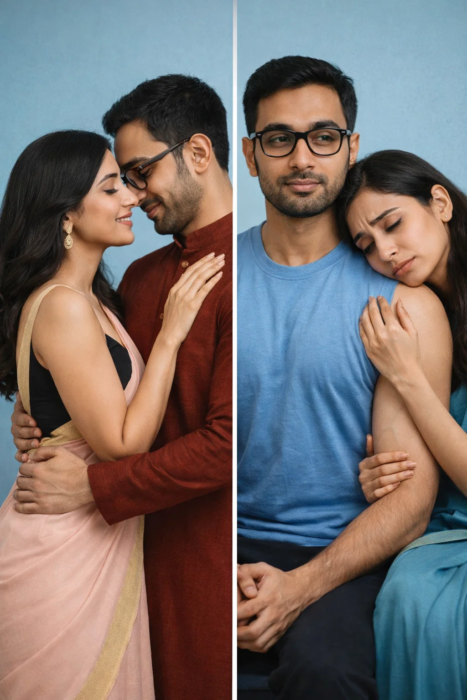
What Does Being ‘In Love’ Really Mean?
Before answering “Am I in Love or Just Emotionally Dependent?”, we must understand what healthy love looks like.
Being in love does not mean losing yourself. It means feeling emotionally safe while still being independent. Love allows communication to flow naturally. Respect is maintained. Space is maintained. Dignity is maintained.
In healthy love, there is balance in emotional exchange. Both people support each other’s growth. There is stability, not constant drama. There is security, not anxiety.
The difference between love and attachment becomes clear here. Love feels steady. Attachment feels restless.
In real love, you want them — but you do not feel incomplete without them. You can handle silence without panic. You can disagree without fearing abandonment. You trust the bond.
If your relationship feels calm more than chaotic, supportive more than suffocating, you may not need to repeatedly ask, “Am I in Love or Just Emotionally Dependent?” because true love carries emotional balance, not emotional dependency in relationships.
What Is Emotional Dependency?
When you ask, “Am I in Love or Just Emotionally Dependent?”, you must understand emotional dependency in relationships clearly.
Emotional dependency happens when your self-worth depends on someone else’s attention, approval, or presence. Their mood affects your mood. Their silence affects your peace. Your confidence rises and falls based on their behaviour.
This is not just affection — it is emotional reliance.
Often, emotional dependency in relationships comes from fear. Fear of abandonment. Fear of rejection. Fear of being alone in a relationship. Instead of choosing them freely, you feel you need them to stay emotionally stable.
Communication becomes one-sided. Emotional balance is not maintained. You may ignore your own needs just to keep the connection alive.
When your happiness depends completely on their actions, and your identity starts fading, the question “Am I in Love or Just Emotionally Dependent?” becomes unavoidable.
Dependency feels urgent and intense. Love feels secure and steady.
Love vs Emotional Dependency: The Core Difference
The core difference between love and emotional dependency is simple: choice versus need.
Love says, “I choose you.”
Dependency says, “I cannot function without you.”
When you ask, “Am I in Love or Just Emotionally Dependent?”, notice whether your connection comes from emotional strength or emotional emptiness.
In love, trust is maintained even during distance. In dependency, anxiety increases quickly. Love allows space. Dependency fears space.
The difference between love and attachment becomes visible in daily behaviour. Love supports healthy communication and balanced emotional exchange. Emotional dependency in relationships creates pressure, insecurity, and constant reassurance-seeking.
Love feels like stability. Dependency feels like emotional negotiation.
If your heart feels calm and grounded, it may be love. If it feels restless and panicked, it may be dependency. Awareness reduces emotional confusion in love and brings emotional clarity.

Signs You May Be Emotionally Dependent
If you frequently wonder, “Am I in Love or Just Emotionally Dependent?”, observe your patterns honestly.
Emotional dependency in relationships does not always look dramatic. It can look like intense attachment that feels romantic but emotionally unstable.
Ask yourself:
• Do you constantly seek reassurance?
• Do you fear abandonment deeply?
• Does your mood change based on their attention?
• Do you ignore red flags?
• Have you lost parts of your individuality?
• Do you panic when alone?
• Do you sacrifice your self-respect to keep them?
You may tolerate behaviour that hurts you because the fear of being alone in a relationship feels worse. You may silence your needs to maintain peace.
Emotional confusion in love often hides behind obsession. The more these patterns repeat, the louder the question becomes: “Am I in Love or Just Emotionally Dependent?”
Awareness is not blame. It is the beginning of emotional freedom.
Why Loneliness Makes Us Confuse Attachment with Love
Loneliness in relationships can create emotional dependency without us realising it.
You may feel emotionally empty long before someone enters your life. When they arrive, their presence fills that emptiness. The relief feels powerful — and you may call it love.
But sometimes, it is not love. It is relief from loneliness.
The fear of being alone in a relationship can push you toward unhealthy attachment patterns. You may attach quickly, depend heavily, and ignore warning signs.
When loneliness drives connection, emotional dependency in relationships grows silently. You may think, “I finally feel complete.” But deep inside, the question remains: “Am I in Love or Just Emotionally Dependent?”
True love adds to your life. It does not rescue you from emotional isolation. Healing your inner loneliness allows healthier emotional exchange and reduces confusion.
The Role of Childhood Emotional Patterns
Many people asking, “Am I in Love or Just Emotionally Dependent?”, are repeating emotional patterns formed in childhood.
If affection was inconsistent, you may now seek constant emotional validation in love. If security was uncertain, anxiety may feel normal.
Unhealthy attachment patterns often begin early. Emotional dependency in relationships can become a learned survival habit. You may fear abandonment deeply because it feels familiar.
Understanding your attachment style helps emotional balance be maintained. It explains why calm relationships may feel “boring” while dramatic ones feel “intense.”
The difference between love and attachment becomes clearer when you see these patterns. You are not weak. You are conditioned.
Awareness allows you to respond differently instead of repeating emotional dependency unconsciously.
When Love Feels Like Anxiety
Love should not feel like constant stress.
If you often ask, “Am I in Love or Just Emotionally Dependent?”, notice whether your connection feels peaceful or tense.
Overthinking every message. Watching their online status. Feeling emotional highs when they show affection and emotional crashes when they don’t — these are common in emotional dependency in relationships.
Anxiety-driven attachment creates emotional confusion in love. The intensity may feel exciting, but excitement is not stability.
Healthy love maintains emotional balance. Communication feels natural, not stressful. Trust is maintained without constant checking.
If your nervous system rarely feels calm, it may be dependency, not love.
Love strengthens you. Anxiety weakens you.
Healthy Love Feels Calm, Not Chaotic
A simple way to answer “Am I in Love or Just Emotionally Dependent?” is to observe emotional stability.
Healthy love feels calm. It allows space. It respects individuality. Emotional exchange feels balanced. Dignity is maintained in communication.
Emotional dependency in relationships often creates chaos. Small issues become big conflicts. Silence feels threatening. There is constant emotional tension.
In healthy love, you can enjoy solitude, friendships, and personal goals without fear. Emotional validation in love comes naturally — not as a condition.
The difference between love and attachment is visible in emotional balance. Love feels secure even during disagreements. Dependency feels threatened by minor distance.
Peace is a sign of health. Chaos is not proof of passion.
Are You Afraid of Losing Them — Or Losing Yourself?
When you ask, “Am I in Love or Just Emotionally Dependent?”, reflect deeply.
Are you afraid of losing them — or losing your identity?
Do you silence your needs to avoid conflict?
Do you change your personality for approval?
Do you feel incomplete without them?
Emotional dependency in relationships often leads to self-neglect. The fear of being alone in a relationship becomes stronger than self-respect.
Love allows authenticity to be maintained. Dependency slowly dissolves individuality.
When your self-worth depends on their approval, emotional confusion in love increases.
True love strengthens who you are. It does not replace you.
Choosing yourself does not mean rejecting love. It means maintaining dignity in emotional exchange.
Emotional Validation vs Emotional Possession
Emotional validation in love is healthy. We all want to feel heard and valued.
But when validation turns into constant checking, reassurance-seeking, or control, emotional dependency begins.
If you constantly need proof of love, it may be a sign of emotional dependence. If you become possessive or restrict their freedom, unhealthy attachment patterns may be present.
The difference between love and attachment lies in freedom. Love supports growth. Possession restricts it.
When asking, “Am I in Love or Just Emotionally Dependent?”, observe whether trust is maintained or constantly tested.
Love says, “I trust you.”
Dependency says, “Prove it.”
Healthy love reassures without suffocating. It supports without controlling.
Can Emotional Dependency Turn into Healthy Love?
Yes — but it requires awareness and effort.
If you recognise emotional dependency in relationships, it does not mean the relationship must end. It means growth is required.
Therapy can help. Honest communication helps. Setting boundaries helps. Emotional balance must be maintained by both partners.
Building emotional resilience reduces fear of being alone in a relationship. As confidence grows, dependency weakens.
If you often ask, “Am I in Love or Just Emotionally Dependent?”, use that awareness for self-growth, not self-judgment.
Dependency can transform into healthy love when responsibility replaces blame and emotional maturity is maintained.
Love grows stronger when it is chosen — not clung to.
How to Heal Emotional Dependency
Healing emotional dependency in relationships begins with rebuilding self-identity.
Reconnect with hobbies. Strengthen friendships. Spend time alone without panic. Practice self-validation instead of depending fully on emotional validation in love.
When emotional strength is maintained internally, relationships become healthier. Loneliness in relationships reduces when you enjoy your own company.
Recognise signs of emotional dependence early. Address insecurity openly in communication. Replace unhealthy attachment patterns with trust, balance, and boundaries.
The more grounded you become, the less often you will ask, “Am I in Love or Just Emotionally Dependent?”
Independence does not mean emotional distance. It means emotional stability.
Conclusion: Love Should Add to You, Not Replace You
Asking, “Am I in Love or Just Emotionally Dependent?”, shows emotional courage.
Love should feel steady, respectful, and empowering. Emotional dependency in relationships often feels urgent, anxious, and fragile.
When love replaces your identity, it becomes dependency. When love supports your identity, it becomes healthy partnership.
True connection is built on trust, balanced communication, and emotional exchange where dignity is maintained.
Let your love be calm. Let it be chosen — not needed.
Love is not about needing someone to breathe.
It is about choosing someone while still being able to stand alone.
Leave a Reply