
Happy Life | Emotional Freedom Series IV | Part 4/10
Introduction: When Anger Quietly Steals Joy
Anger often feels powerful in the moment. It gives a sense of control, expression, and release. Yet, beneath that surface, something quieter is happening—anger destroys your joy gradually, without immediate awareness. What feels like strength often leaves behind exhaustion, regret, and emotional heaviness.
Many people do not realize how frequently anger becomes a default response. Small triggers, unmet expectations, or misunderstandings can lead to reactions that disturb inner peace. Over time, this repeated pattern begins to affect mental clarity, relationships, and overall emotional balance.
The truth is simple: anger destroys your joy not through one big incident, but through repeated small disturbances that accumulate silently. It interrupts calm thinking and replaces it with impulsive reactions.
Emotional freedom is not about eliminating anger completely. It is about understanding it, managing it, and responding differently. When awareness replaces reaction, the hold of anger weakens. And when that happens, joy does not need to be chased—it naturally returns.
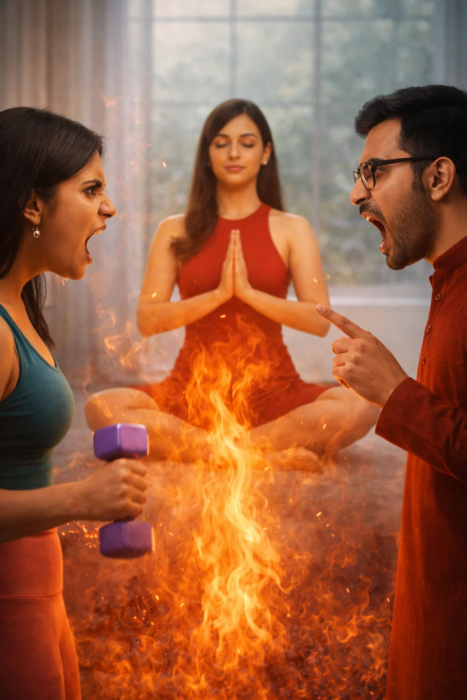
Understanding Anger Beyond Reaction
Anger is not just an outburst; it is an emotional response triggered by perceived threat, injustice, or frustration. However, the real issue is not anger itself—it is how we respond to it. Without awareness, anger becomes reaction. With awareness, it becomes information.
Many people assume anger is necessary to express strength. But emotional anger management teaches us that anger can be observed without being acted upon immediately. This distinction between reaction and awareness is critical.
When you react instantly, you lose control. When you pause, you regain it.
Anger destroys your joy when it becomes automatic. It creates patterns where situations are handled impulsively rather than thoughtfully. Over time, this affects decision-making and emotional stability.
Understanding anger means recognizing its purpose without allowing it to dominate behaviour. It signals discomfort—but it does not have to control your response.
The shift from reaction to awareness is the foundation of emotional freedom. Once you understand anger, you stop being controlled by it.
Why Anger Feels Justified
Anger often feels justified. When expectations are not met or when someone behaves unfairly, the mind quickly builds a narrative: “I am right.” This sense of being right strengthens the emotional response.
Ego plays a significant role here. The need to be heard, respected, or validated can make anger feel necessary. The stronger the expectation, the stronger the reaction when reality does not align.
This is why anger destroys your joy—it convinces you that reacting strongly is the correct response. But in reality, it often creates more disturbance than resolution.
The psychological need to control situations or outcomes also fuels anger. When things move outside your control, frustration builds. This frustration then expresses itself as anger.
Understanding this pattern is important. Anger is not always about the situation—it is often about expectation, control, and perception.
When you begin to question your need to be right, anger loses intensity. And when intensity reduces, clarity increases.
How Anger Destroys Your Joy Internally
The most significant damage caused by anger happens internally. Anger destroys your joy by affecting mental and emotional stability long before it affects anything external.
Repeated anger leads to mental exhaustion. The mind keeps replaying events, conversations, and arguments. This constant internal activity reduces focus and increases stress.
The effects of anger on mental health are subtle but powerful. It can lead to irritability, anxiety, and reduced emotional resilience. Over time, even small issues start feeling overwhelming.
Peace is replaced by restlessness. Calm thinking becomes difficult. Decision-making becomes reactive.
Anger also affects physical well-being. Increased heart rate, tension, and fatigue are common when anger is frequent.
The more anger becomes habitual, the less space remains for clarity and joy. Emotional balance gets disturbed.
Recognizing this internal impact is important. When you understand that anger destroys your joy from within, you begin to treat it not as strength—but as something to manage carefully.
The Hidden Cost: Relationships and Distance
Anger does not stay limited to the individual—it extends into relationships. One of the biggest reasons why anger harms relationships is because it disrupts communication.
When anger becomes frequent, conversations turn into arguments. Listening reduces. Defensiveness increases. Emotional connection weakens.
Anger destroys your joy in relationships by creating distance. Even when issues are resolved, the emotional impact often remains. Words spoken in anger can leave lasting impressions.
Trust is affected when reactions become unpredictable. People begin to withdraw, avoid conversations, or communicate less openly.
Relationships require stability, patience, and understanding. Anger disrupts all three.
Over time, repeated anger creates emotional disconnect. The relationship may continue, but the depth reduces.
Managing anger is not only about personal peace—it is about protecting relationships. When reactions are replaced with calm responses, communication improves. And when communication improves, connection strengthens.
Anger and the Illusion of Control
Many times, anger is linked to control. When situations or people do not behave as expected, frustration builds. This creates the illusion that anger can force control.
However, anger does not create control—it creates resistance.
Trying to control others’ behaviour, decisions, or responses often leads to disappointment. The more control you seek, the more frustration you experience.
This is how anger destroys your joy. It ties your emotional state to external outcomes that you cannot fully control.
Emotional balance improves when control shifts inward. Instead of trying to manage everything around you, focus on managing your response.
Acceptance does not mean agreement—it means clarity. It separates what you can control from what you cannot.
When this distinction becomes clear, anger reduces naturally. And when anger reduces, emotional stability improves.
Control is not about changing others—it is about stabilizing yourself.
Recognizing Early Signs of Anger
Anger rarely appears suddenly. It builds gradually, often showing early signs that go unnoticed.
Physical signals include increased heart rate, muscle tension, or restlessness. These are the body’s way of indicating emotional discomfort.
Thought patterns also change. Overthinking, irritation, and negative assumptions begin to appear. These patterns signal that anger is building.
When these signs are ignored, anger intensifies. When they are recognized, anger can be managed early.
Awareness is the first step in emotional anger management.
Anger destroys your joy when it reaches a level where reaction becomes unavoidable. Recognizing early signals prevents escalation.
By observing your thoughts and physical responses, you create space between feeling and reaction.
That space is where control exists.
8. The Pause Principle: Respond, Don’t React
One of the most practical ways to manage anger is to create a pause between feeling and response. Most emotional reactions happen instantly, without reflection. The pause principle breaks this pattern. Instead of reacting immediately, take a few seconds to step back mentally. This short delay allows the emotional intensity to settle.
When emotions calm down, thinking becomes clearer. You begin to see the situation more objectively rather than emotionally. Silence during this moment is not avoidance—it is control. It prevents unnecessary escalation and protects both your peace and your relationships.
Anger destroys your joy when reactions are automatic. The pause interrupts this cycle and gives you space to choose your response consciously. Responding calmly does not mean suppressing what you feel. It means expressing it in a thoughtful and balanced way.
Over time, this habit builds emotional strength. The ability to pause becomes the first visible sign of emotional maturity and control.
Calm Mindset Techniques That Work
Managing anger becomes easier when the mind is trained to remain calm under pressure. Simple calm mindset techniques can significantly reduce emotional intensity if practiced regularly. One of the most effective methods is controlled breathing. Slow, deep breaths help regulate the body’s stress response and bring immediate stability.
Another useful approach is stepping away from the situation. Physical or mental distance allows perspective to return. What feels overwhelming in the moment often appears manageable after a short break. Reframing thoughts is equally important. Instead of focusing on what went wrong, shift your attention to what can be handled constructively.
These calm mindset techniques help organize thoughts and reduce emotional overload. Anger destroys your joy when thinking becomes scattered and reactive. Structured thinking brings clarity and balance.
When practiced consistently, these techniques strengthen emotional resilience. Over time, calmness becomes your default response rather than reaction.
Healthy Ways of Coping with Anger
Coping with anger requires conscious and healthy outlets. Ignoring or suppressing emotions does not solve the issue—it only delays it. At the same time, expressing anger impulsively can damage relationships and inner peace. The goal is to process emotions constructively.
Journaling is one of the simplest ways to organize thoughts. Writing helps release mental pressure and provides clarity. Physical movement, such as walking or light exercise, helps release stored tension from the body. This improves both mental and emotional balance.
Talking to a trusted person can also be helpful. Sharing your thoughts reduces isolation and offers a different perspective. Structured reflection—quietly observing your thoughts without reacting—allows deeper understanding.
Anger destroys your joy when it remains unprocessed. Healthy coping transforms emotional pressure into awareness. When practiced consistently, these methods reduce intensity and build long-term stability, allowing you to handle situations with greater control and clarity.
Letting Go of the Need to Win
Many emotional conflicts are driven by the desire to prove a point or win an argument. While this may provide temporary satisfaction, it often comes at the cost of peace. Arguments rarely resolve issues effectively; instead, they increase tension and create emotional distance.
The need to win is often linked to ego. When ego becomes dominant, listening reduces and defensiveness increases. This makes communication difficult and prolongs conflict. Letting go of the need to win does not mean accepting everything—it means choosing clarity over confrontation.
Anger destroys your joy when ego drives your reactions. Choosing calm over conflict allows situations to settle naturally. Not every disagreement requires a strong response. Sometimes, understanding is more powerful than explanation.
When you prioritize peace over proving a point, emotional balance improves. Over time, this approach strengthens relationships and reduces unnecessary stress, making your responses more thoughtful and less reactive.
Building Emotional Discipline
Emotional discipline is essential for maintaining long-term stability. It is not built overnight but developed through consistent daily habits. Discipline creates a structured environment where emotions are managed rather than allowed to dominate behaviour.
Simple routines such as proper sleep, regular physical activity, and mindful reflection contribute to emotional control. When the body and mind are balanced, reactions naturally become calmer. Structured thinking also plays a key role. Instead of reacting impulsively, disciplined individuals pause and evaluate situations.
Emotional anger management becomes easier when supported by routine. Anger destroys your joy when reactions are uncontrolled and frequent. Discipline introduces consistency, which reduces emotional volatility.
Small habits practiced regularly create lasting change. Over time, emotional discipline becomes automatic. Instead of reacting to every trigger, you begin to respond with awareness and stability, leading to improved clarity and stronger decision-making.
Anger and Emotional Freedom
Emotional freedom is not about eliminating emotions—it is about managing them effectively. Anger and emotional freedom cannot exist together when reactions are uncontrolled. Freedom requires stability, clarity, and conscious response.
When anger dominates, thinking becomes reactive. Decisions are influenced by emotion rather than understanding. This reduces clarity and increases regret. Anger destroys your joy by limiting your ability to respond thoughtfully.
Emotional freedom begins when you recognize that you are not your reactions. You have the ability to choose how you respond, regardless of the situation. Calm thinking improves decision-making and strengthens relationships.
With awareness and discipline, anger becomes manageable rather than overwhelming. Over time, emotional freedom grows as reactions decrease and understanding increases. Stability replaces impulsiveness.
True freedom is not found in controlling situations—it is found in controlling your response. And when your response is stable, your inner peace remains intact.
Conclusion: Rising Above Without Noise
Anger destroys your joy, but awareness has the power to restore it. The change required is not dramatic or forceful—it is quiet, steady, and built through consistent understanding. Most emotional growth does not happen in big moments; it develops through small, conscious choices made repeatedly over time.
When you begin to observe your reactions instead of immediately acting on them, a shift begins. Situations that once triggered strong responses start to feel more manageable. Calm thinking slowly replaces impulsive reactions. This is how emotional strength is built—not by suppressing emotions, but by handling them with clarity.
Anger destroys your joy when it controls your response. But when awareness takes its place, stability returns. Growth is not about eliminating anger completely; it is about learning to rise above it without creating noise or conflict.
Real strength is quiet. It shows in patience, in pause, and in balance.
“Anger may feel powerful in the moment, but real strength is the ability to stay calm when reaction feels easier.”
Leave a Reply