
Women Empowerment Series III (Part 3/10)
Cultural & Global Perspectives
Introduction: Why Indigenous Women’s Empowerment Matters
Indigenous women empowerment is a critical yet often overlooked aspect of global development. Indigenous communities carry unique cultural identities shaped by centuries of tradition, land connection, and social systems. Within these communities, women play a central role in preserving knowledge, maintaining social balance, and sustaining livelihoods. However, indigenous women often face double marginalisation—both as women and as members of historically excluded ethnic groups.
This layered disadvantage makes indigenous women empowerment more complex than general gender equality efforts. Issues such as limited access to education, healthcare, and legal rights continue to affect their progress. At the same time, indigenous women remain powerful contributors to environmental conservation, cultural preservation, and community leadership.
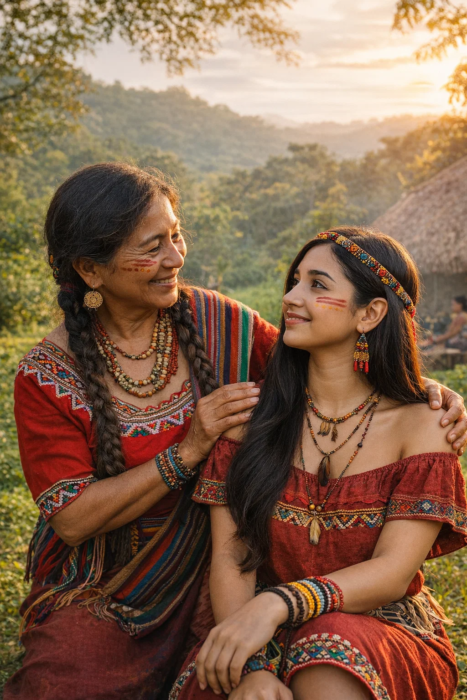
Global indigenous women empowerment movements increasingly recognize the need for culturally sensitive approaches that respect identity while promoting equality. Empowerment in this context is not about replacing tradition but strengthening it with fairness and opportunity. When indigenous women empowerment is prioritized, it contributes not only to gender justice but also to sustainable and inclusive global development.
Who Are Indigenous Women?
Understanding indigenous women empowerment begins with defining who indigenous women are. Indigenous women belong to communities that have historical ties to specific lands, cultures, and traditions that predate modern nation-states. These communities exist across continents, including Asia, Africa, the Americas, and Australia, each with distinct cultural practices and social systems.
The cultural identity of indigenous women is deeply connected to language, rituals, land, and community values. They often serve as custodians of traditional knowledge, passing down customs, medicinal practices, and ecological wisdom across generations. This role makes them essential to cultural continuity.
However, indigenous women are not a uniform group. Their experiences vary widely depending on geography, economic conditions, and political structures. Despite this diversity, many share similar struggles related to recognition, rights, and representation.
Indigenous women empowerment must therefore consider both shared challenges and local realities. Recognizing their identity is not only about classification—it is about respecting their contribution and ensuring their voices are included in decisions that affect their lives and communities.
Historical Context of Indigenous Women
The history of indigenous women empowerment is closely linked to the broader history of colonization and social transformation. Many indigenous communities once had balanced social structures where women played significant roles in decision-making, agriculture, and cultural practices. However, colonial interventions disrupted these systems.
Colonial policies often led to the loss of land, displacement of communities, and erosion of traditional governance structures. Indigenous women and land rights were particularly affected, as land ownership shifted to formal systems that excluded women from control and decision-making.
These changes also altered gender roles. In many cases, indigenous women were pushed into more restrictive positions, limiting their participation in economic and social life. The impact of these historical shifts continues to influence the challenges faced by indigenous women today.
Understanding this historical context is essential for indigenous women empowerment. It highlights that many current inequalities are not natural but the result of systemic changes. Addressing these issues requires restoring both rights and recognition in ways that respect indigenous identity and heritage.
Cultural Identity and Strength
The cultural identity of indigenous women is one of their greatest strengths. Indigenous women are often the primary carriers of language, traditions, and community values. They play a key role in preserving rituals, storytelling, and indigenous knowledge systems that define their communities.
Indigenous women empowerment must therefore recognize culture not as a limitation but as a foundation for strength. Traditional practices often include sustainable agricultural methods, environmental conservation techniques, and holistic health approaches that are valuable even in modern contexts.
Language preservation is another important aspect. Indigenous women frequently pass down native languages to younger generations, ensuring cultural continuity. This responsibility strengthens their role within communities and highlights their importance beyond economic contributions.
Empowerment efforts that ignore cultural identity risk disconnecting women from their roots. Instead, indigenous women empowerment should build upon cultural strengths while expanding opportunities for education, leadership, and participation. When identity and empowerment align, communities experience both preservation and progress.
Key Challenges Faced by Indigenous Women
The challenges faced by indigenous women are complex and deeply rooted in social, economic, and political structures. Poverty remains one of the most significant issues, often limiting access to basic resources such as education, healthcare, and employment opportunities.
Limited access to education continues to restrict growth. In many regions, indigenous girls face barriers such as language differences, cultural exclusion, and financial constraints. Healthcare access is also limited, affecting maternal health and overall well-being.
Violence and discrimination are among the most serious social issues of indigenous women. Gender-based violence, exploitation, and lack of legal protection often go unreported due to weak institutional support and cultural barriers.
The challenges faced by indigenous women also include exclusion from decision-making processes at both community and national levels. Without representation, their concerns remain unaddressed.
Addressing these challenges requires a comprehensive approach that combines policy reform, community awareness, and inclusive development strategies. Indigenous women empowerment must focus on removing these barriers while ensuring dignity, safety, and equal opportunity.
Indigenous Women and Land Rights
Land is central to indigenous identity, culture, and survival. Indigenous women and land rights are deeply interconnected, as land represents not only economic value but also spiritual and cultural significance. However, many indigenous women lack formal recognition of land ownership.
Legal systems in many countries do not adequately protect indigenous land rights, particularly for women. This exclusion limits their ability to participate in economic activities and decision-making processes. Indigenous women empowerment requires addressing these legal gaps.
Indigenous women also play a crucial role in environmental protection. Their traditional knowledge supports sustainable land use, biodiversity conservation, and climate resilience. Protecting indigenous women and land rights therefore benefits both communities and the environment.
Empowerment efforts must ensure that women have equal access to land ownership, legal recognition, and participation in resource management. Strengthening these rights is essential for achieving long-term indigenous women empowerment and sustainable development.
Education and Awareness
Education is a powerful tool for indigenous women empowerment. Access to education helps women develop skills, build confidence, and participate actively in social and economic life. However, indigenous women often face barriers such as language differences, geographical isolation, and cultural exclusion.
Education systems that do not respect cultural identity can discourage participation. Therefore, culturally sensitive education is essential for effective indigenous women empowerment. Programs that incorporate local languages and traditions create a more inclusive learning environment.
Awareness initiatives also play an important role. Educating communities about indigenous women rights helps reduce discrimination and promotes equality. When women understand their rights, they are better equipped to advocate for themselves.
Investing in education and awareness creates long-term change. Indigenous women empowerment grows when knowledge is accessible, relevant, and respectful of cultural identity.
Economic Empowerment and Livelihood
Economic independence is a key component of indigenous women empowerment. Many indigenous women engage in traditional crafts, agriculture, and small-scale enterprises that contribute to local economies. However, these contributions are often undervalued.
Supporting sustainable practices can strengthen economic empowerment. Indigenous women possess valuable knowledge in areas such as organic farming, handicrafts, and natural resource management. These skills can be developed into income-generating opportunities.
Financial inclusion is also essential. Access to credit, markets, and training programs helps indigenous women expand their economic activities. Indigenous women empowerment increases when women gain control over their income and resources.
Economic empowerment not only improves individual livelihoods but also strengthens community resilience. When indigenous women achieve financial independence, they contribute to broader social and economic development.
Indigenous Women Leadership
Indigenous women leadership is a vital pillar of indigenous women empowerment, even though it is often informal and community-based. In many indigenous societies, women guide cultural practices, manage local initiatives, and influence social decisions. Their leadership is rooted in experience, tradition, and community trust rather than formal titles.
Grassroots activism strengthens this leadership. Many indigenous women actively advocate for indigenous women rights, environmental protection, and preservation of traditional knowledge. Their role becomes especially important in addressing local challenges such as land protection, education access, and healthcare awareness.
Political representation of indigenous women is gradually increasing, although significant gaps remain. Inclusion in governance allows women to influence policies that directly impact their communities. Indigenous women empowerment grows stronger when leadership is recognized, supported, and nurtured through training and institutional backing.
When indigenous women lead, decision-making becomes more inclusive and balanced. Their perspectives bring cultural understanding and social sensitivity, creating solutions that benefit both communities and future generations.
Global Indigenous Women Empowerment Movements
Global indigenous women empowerment movements have gained visibility as awareness about indigenous women rights continues to grow. International platforms, including initiatives supported by the United Nations, emphasize the importance of protecting cultural identity while ensuring equality and participation.
Advocacy networks play a key role in highlighting issues such as land rights, violence, and economic exclusion. These networks create spaces where indigenous women can share experiences, raise concerns, and influence policy discussions at national and international levels. Such platforms strengthen indigenous women empowerment by ensuring their voices are heard.
Cross-border collaboration further enhances these efforts. Indigenous women from different regions exchange knowledge, strategies, and solutions to address common challenges. This solidarity builds a stronger global movement.
Global indigenous women empowerment requires cooperation between governments, civil society, and international organizations. When efforts are aligned, they create sustainable progress, ensuring that indigenous women are not left behind in global development conversations.
Social Issues and Gender-Based Violence
Social issues of indigenous women remain a major concern in many regions. Gender-based violence, exploitation, and lack of legal protection continue to affect the safety and dignity of indigenous communities. These challenges are often intensified by poverty, geographical isolation, and limited access to institutional support.
Domestic violence is frequently underreported due to cultural stigma and fear of social consequences. In many cases, women lack access to legal systems or are unaware of their rights. Exploitation, including forced labor and trafficking, further increases vulnerability.
Addressing social issues of indigenous women is essential for meaningful indigenous women empowerment. Legal frameworks must be strengthened to ensure protection, while awareness programs can help communities recognize and challenge harmful practices.
Community-based support systems also play a critical role. When local leaders, organizations, and families actively support women’s safety, empowerment becomes more effective. Indigenous women empowerment must prioritize dignity, protection, and justice alongside social and economic progress.
Role of Culture in Empowerment
Culture plays a complex role in indigenous women empowerment. It is a source of identity, belonging, and strength, yet in some contexts, it may also reinforce restrictive norms. Understanding this balance is essential for meaningful progress.
The cultural identity of indigenous women includes language, traditions, rituals, and community values that define their social role. These elements are not barriers; they are strengths that contribute to resilience and continuity. Indigenous women empowerment should build upon these cultural foundations rather than replace them.
At the same time, certain traditional practices may limit access to education, leadership, or economic participation. Addressing these aspects requires respectful dialogue rather than confrontation. Communities are more likely to embrace change when it aligns with their cultural values.
Balancing tradition and modernity allows empowerment to evolve naturally. When culture supports equality, indigenous women empowerment becomes sustainable, preserving identity while expanding opportunity and participation.
Role of Community and Allies
Community support and strong alliances are essential for advancing indigenous women empowerment. Local communities shape social attitudes, and their acceptance plays a major role in determining the success of empowerment initiatives.
NGOs, activists, and grassroots organizations work closely with indigenous communities to promote awareness, education, and economic development. These efforts help address challenges faced by indigenous women while respecting cultural contexts.
Government support is equally important. Policies that protect indigenous women rights, provide access to education, and ensure economic opportunities create a foundation for long-term empowerment. International organizations further strengthen these efforts by offering resources and global platforms.
Allies—both within and outside communities—help amplify voices that are often overlooked. Their role is not to replace indigenous leadership but to support and strengthen it.
Collective action ensures that indigenous women empowerment is inclusive, sustainable, and impactful, benefiting not only individuals but entire communities.
Conclusion: Empowerment with Identity
Indigenous women empowerment is not only about achieving equality—it is about ensuring dignity, recognition, and deep respect for identity. Indigenous women carry generations of cultural knowledge, traditions, and community values that must be preserved even as opportunities expand. True empowerment does not require abandoning these roots; instead, it strengthens them while creating space for education, leadership, and participation in modern systems.
The path toward global indigenous women empowerment requires consistent collaboration between communities, governments, and international organizations. Awareness, policy support, and inclusive development strategies are essential to address the challenges faced by indigenous women while respecting their cultural identity. When indigenous women rights are recognized and leadership opportunities are encouraged, communities become more balanced, resilient, and sustainable.
Empowerment must remain culturally sensitive and inclusive. It should uplift without imposing, support without replacing, and evolve without erasing identity. When empowerment aligns with culture, it becomes meaningful and lasting.
Empowerment is strongest when it protects identity, not replaces it.
Leave a Reply