
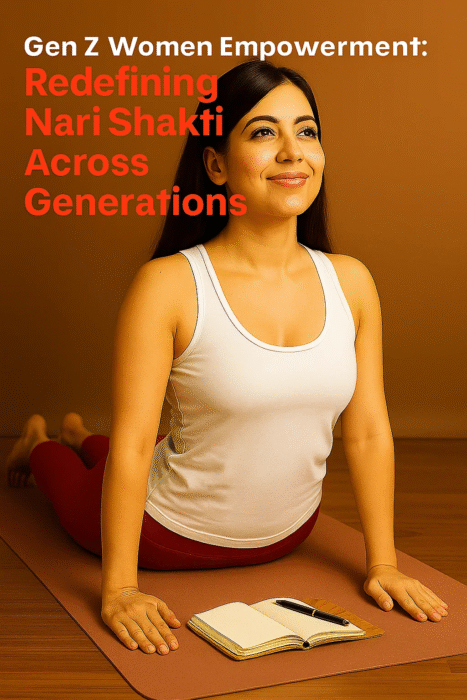
Gen Z Women Empowerment: Redefining Nari Shakti Across Generations
Introduction: Women Empowerment Meets Gen Z Distinction
The meaning of women empowerment is undergoing a radical evolution. From whispered ambitions to bold declarations, Women—the cohort born between 1997 and 2012—are pushing boundaries like never before. They are transforming “Nari Shakti” from a traditional symbol into a real-world force defined by financial independence, mental health openness, and digital activism. For women, empowerment is not just about rights won decades ago, but about personal growth, equality, and lasting social impact.
Unlike the Boomers and Millennials before them, women are rewriting what it means to step into power. Their voices are loud on social media, sharp in professional settings, and unapologetic in fights for gender equality. With new attitudes toward work, family, wellness, and leadership, they challenge stereotypes and test what true empowerment looks like in a rapidly changing age.
Social Media Voices to Real-World Change: Gen Z’s Empowerment Playbook
Gen Z women have mastered the digital sphere. Instagram, Facebook, YouTube, and Twitter are not just platforms—they are amplifiers for activism, support, and education. These women don’t just spark trends; they lead movements. They use viral hashtags, personal storytelling, and resource sharing to build communities and cultivate change that goes well beyond online likes.
Personal Brand of Activism
For Gen Z women, activism is personal. It starts with sharing their daily life, struggles, and triumphs—de-stigmatizing topics such as mental health, menstrual education, or workplace discrimination. Influencers and micro-celebrities turn everyday experiences into talking points that shape culture and public policy.
The Impact of Real-World Advocacy
Social media voices fuel tangible change. Campaigns like #MeToo, #SheSafe, and #PeriodPositivity gain traction online and mobilize action offline. Petitions, fundraising, and coordinated flash mobs are driven by young women unafraid to challenge laws and social practices. Movements for safe public spaces, anti-cyberbullying, and gender-neutral workplaces often find their roots in Gen Z’s creative digital organizing.
Financial Independence and Professional Agency
Gen Z women value financial freedom. They don’t wait for permission—they lead startups, freelance, negotiate salaries, and move quickly onto new career paths if opportunities fall short. Fueled by digital skills, side hustles, and the gig economy, they embrace entrepreneurship and make independent income a pillar of empowerment.
Surveys show that Gen Z women earn higher wages than earlier generations at the same age and—through continuous upskilling—close the gender pay gap more than ever before. Nearly 30% cite career advancement as a reason to leave unsatisfying jobs, compared to 22% of men.
Openness on Mental Health
Unlike Boomers and Millennials, Gen Z women normalize conversations around mental and emotional wellness. They discuss anxiety, burnout, infertility, and therapy with peers and employers. Social impact, therefore, expands: workplaces become more inclusive, and advocacy for holistic women’s rights grows.
Equality or Tokenism? Gen Z’s Test of True Empowerment
Past Generations: Boomers and Millennials
Boomer and Millennial women often faced rigid gender roles. Empowerment was hard-fought and usually limited—restricted by workplace discrimination, limited access to leadership, and cultural expectations around marriage and family. Progress depended on incremental legal reforms, collective rallies, and slow-breaking taboos.
While immense strides were made in education, voting rights, and workplace access, gender equality often registered as a “checkbox” for compliance rather than a true shift in mindset. Token representation—one woman on a board, few women in STEM—was often offered as proof of empowerment rather than the norm.
Gen Z: Beyond Surface Solutions
Gen Z women push for meaningful inclusion. They call out token efforts and demand authentic gender equality—from boardrooms to classrooms and social campaigns. These women are skeptical of “pink-washing,” where organizations market superficial support while perpetuating the status quo.
For Gen Z, empowerment means power with—not power over. They want transparent pay scales, inclusive benefits, and safety—not just inspirational slogans. If companies or institutions fall short, Gen Z women move on swiftly and publicly demand improvement.
Intersectionality and Challenge to Norms
Gen Z women insist that gender equality embrace intersectionality. They demand nuanced representation across race, class, sexuality, and ability. Inclusion is not negotiable; it is foundational to how Gen Z measures progress. Women globally leverage the collective strength of diversity to address challenges—from climate change and LGBTQ+ rights to economic access and online safety.
The Mindset Shift: Boomers, Millennials vs. Gen Z Women
Boomers: The Trailblazers
Boomer women (born 1946-1964) lived through eras where education was a privilege, workplace harassment was the norm, and activism meant protests and petitions. For many, empowerment was about breaking through the “glass ceiling” in slow, steady increments. Mental health was rarely discussed, personal growth was private, and marriage/family often defined identity.
Millennials: The Change Agents
Millennials (born 1981-1996) advanced what Boomers began. They studied and worked in greater numbers, achieved legal protections, and started mainstreaming conversations about gender equality. Yet, many felt stuck in a system that only superficially supported women’s rights. Wellness, self-care, and flexible work became topics, but stigma and tokenism persisted.
Gen Z: Real World and Online Revolution
Gen Z’s mindset upends norms. They are the digital-first generation, global-minded, and intensely values-driven. Their worldview is shaped by rapid change—climate movements, pandemic disruptions, and economic uncertainty. They question everything and accept nothing at face value.
Gen Z women refuse to hide vulnerability. They speak openly about mental health, set boundaries, and seek therapy when needed. Personal growth is celebrated, not concealed. Marriage and family are choices, not mandates. Career breaks, side hustles, and upskilling ensure flexibility—and independence.
Gender equality is not just a demand, but a baseline. Women’s rights are nonnegotiable; empowerment is measured by lived experience and opportunity, not box-ticking. Gen Z insists on structural change through activism—direct action, digital advocacy, and community-building.
Gen Z Women: Breaking Traditional Molds
1. Financial Independence
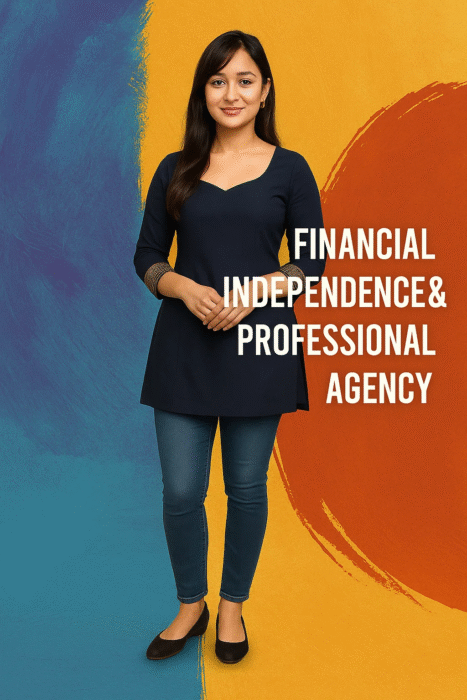
A defining trait of Gen Z empowerment is financial independence. 45% of Gen Z women in India, for instance, actively seek entrepreneurship—more than any prior generation. They seek funding, business plans, tech skills, and supportive networks. Their appetite for risk is bold; their ambition is clear.
2. Leadership and Representation
Gen Z women are more likely to pursue higher education, particularly in science, technology, engineering, and math (STEM), compared to previous generations. They step into management faster and demand visibility in decision-making roles.
Companies respond: the number of Gen Z women in senior management, boards, and as new hires is surging. As of 2025, women comprised nearly 50% of board directors in top firms in Canada, and their participation rates break prior records. The wage gap for this group is now less than 5% in some regions—unprecedented progress.
3. Redefining “Nari Shakti”
Gen Z’s Nari Shakti is global, intersectional, and digital. Ancient symbols of strength are reimagined—a college student speaking truth on Instagram, a coder leading open-source mental health apps, a mother negotiating remote work. Empowerment is not soft power; it’s visible, vocal, measurable.
These women organize campaigns, fund A-list advocacy for women’s rights, mentor peers, and take on leadership positions. Social impact stems from grassroots action—not just corporate charity.
Challenges Facing Gen Z Women: Mental Health, Personal Growth, and Rights
Mental Health Matters
Gen Z women openly address mental health, breaking stigmas and forming support networks. They want employers, families, and friends to recognize anxiety, depression, and stress as part of their reality—not points of shame. Companies offering wellness and mental health support are favored, and flexible schedules enable balance.
Here’s your expanded version (~90 words, SEO-focused with women empowerment and Gen Z included):
Personal Growth as Empowerment
Personal growth is the true foundation of empowerment. Gen Z women see learning as power. They constantly upskill through online courses, digital platforms, and mentorship programs. Studies show that nearly 70% of Gen Zs develop new career skills weekly—far outpacing Millennials. For them, empowerment is not just about career success but also self-discovery and inner strength. They embrace therapy, set healthy boundaries, and focus on emotional well-being. This holistic approach makes Gen Z women stronger, more resilient leaders redefining women empowerment.
Gender Equality
Gen Z women are redefining gender equality with bold clarity. For them, empowerment means more than symbolic representation—it demands real change. They push to close wage gaps, demand equal pay, and fight for women’s rights across digital spaces, workplaces, and communities. Safety is non-negotiable, both online and offline. Policies, not empty promises, are their benchmark for progress.
Gen Z women call for paid parental leave, strong anti-harassment protocols, and inclusive leadership. Unlike past generations, they refuse to compromise. If workplaces fail to deliver, they walk away—proving that women empowerment is inseparable from true gender equality.
Women’s Rights: Not Fully Won
Women’s rights have come a long way, but the struggle is far from over. Gen Z women recognize progress yet remain clear-eyed about the barriers that persist. They are still underrepresented in STEM fields, continue to face workplace discrimination, and demand more than corporate lip service. The “motherhood penalty”—career slowdowns after having children—remains a significant challenge.
However, Gen Z women are reshaping this narrative. Many choose to delay motherhood, focus on advancing careers, and advocate for systemic reforms. Their determination ensures that women’s rights stay at the forefront, keeping the momentum alive for true empowerment and gender equality across generations.
Gen Z’s Global Activism: Social Impact in Action
Gen Z women don’t just talk; they act. Around the world, they champion causes as diverse as climate change, education for girls, LGBTQ+ rights, menstrual hygiene, and online safety. They crowdfund, build apps, organize protests, and run for office. Their impact is measurable—policy changes, improved representation, and better social equity.
Organizations and governments respond. Initiatives for gender equality in education, better workplace policies, mental health support, and leadership development now cater to Gen Z’s demands. The Gen Z test for empowerment is rigorous: only those efforts with lasting social impact pass muster.
Generational Shift: Comparing Boomers, Millennials & Gen Z
The generational shift from Boomers to Millennials to Gen Z reveals a remarkable evolution in attitudes toward women empowerment and gender equality. Boomers fought foundational battles—winning voting rights and entering workplaces, but often kept conversations about mental health and personal growth private.
Millennials scaled these gains, mainstreaming gender diversity in education and office spaces, and introduced self-care and early digital learning as pathways toward empowerment. However, for many, empowerment was still hindered by societal expectations and the persistence of token representation.
Gen Z, uniquely digital and globally connected since childhood, takes this further—they reject symbolic gestures and demand real inclusion and systemic change. For them, women empowerment is non-negotiable and multifaceted, prioritizing intersectionality, representation, and open dialogue on mental health and personal ambitions.
While Boomers relied on protests and policy, and Millennials on workplace diversity and wellness, Gen Z women combine activism, personal branding, and continuous upskilling, ensuring that empowerment, personal growth, and gender equality are daily lived experiences, not distant ideals. –
Conclusion: The Future of Women Empowerment Lies with Gen Z
The future of women empowerment is being shaped boldly by Gen Z. Unlike previous generations, these young women are not waiting for opportunities or permissions. They are claiming their space, reshaping traditions, and living empowerment every single day.
Gen Z women are fearless in their approach. They use social media not just for expression but for activism, creating global conversations around gender equality, women’s rights, and mental health. Their digital voices are powerful enough to challenge old systems and inspire real-world change.
Entrepreneurship is another field where Gen Z women are breaking molds. They are building startups, leading teams, and proving that financial independence is essential for true empowerment. For them, money is not just security—it is freedom and personal growth.
Mental health is also at the center of this revolution. Unlike Boomers or even Millennials, Gen Z openly speaks about stress, anxiety, and emotional well-being. They believe empowerment must include mental freedom, not just external achievements.

Compared to past generations, Gen Z brings authenticity. They do not settle for token representation. They demand equal pay, equal respect, and equal opportunities. They are not content with a seat at someone else’s table. Instead, they are building new tables where diversity and inclusion are the norm.
The world is at a turning point. With their courage, creativity, and commitment, Gen Z is transforming women empowerment into a living reality. Their vision goes beyond equality. It redefines Nari Shakti as dignity, freedom, and true power for women everywhere.
Leave a Reply